Search results pages have changed shape. An AI-generated answer now sits above the traditional links for many informational queries, and the click that used to go to the first result sometimes never happens. Publishers who built their business on definition-style articles felt it first.
The response is not to abandon search. It is to stop competing with a summary on the one thing a summary does well. Pages that offer evidence, tools, local detail or a decision still earn visits, because the reader needs something the overview cannot supply.
Sort queries by what the reader needs next
Split your search demand into three groups: questions with a short factual answer, questions that lead to a decision, and questions that require a task. The first group is the most exposed. The second and third still reward a well-built page.
A query like "what is a core web vital" can be answered in a sentence. "How do I fix layout shift on a Shopify theme" requires steps, screenshots and a test. Invest accordingly, and stop spending a week on pages that only need a paragraph.
Publish things that cannot be paraphrased
Original data is the clearest moat. Run a small survey, test ten products, track prices for a quarter or publish a dataset from your own operations. A summary can repeat a number; it cannot replace the method, the caveats and the raw table behind it.
First-hand experience works the same way. A review that names the failure mode after six months is more useful than a specification recap, and it is much harder to compress into a generic answer.
If a page can be summarised in three sentences, an AI answer will summarise it. Give readers a reason to click anyway.
Structure for both readers and machines
Use a direct answer near the top, then go deeper. Clear headings, short paragraphs and a summary box help a human skim and help a model extract the facts correctly. Add schema only where it describes something real, such as an article, a product or a FAQ that is genuinely on the page.
Do not chase an AI-specific trick. The fundamentals still decide whether a page is eligible: crawlability, canonical URLs, internal links and a clear reason to exist. A technically broken page will not be rescued by a new content format.
Key facts
- Informational queries lose clicks to AI summaries first.
- Original data and first-hand testing are harder to summarise.
- Pages with a clear next step retain more valuable traffic.
- Measure conversions and assisted revenue, not sessions alone.
- Refresh thin pages or remove them; do not leave them to decay.
Measure the traffic that pays
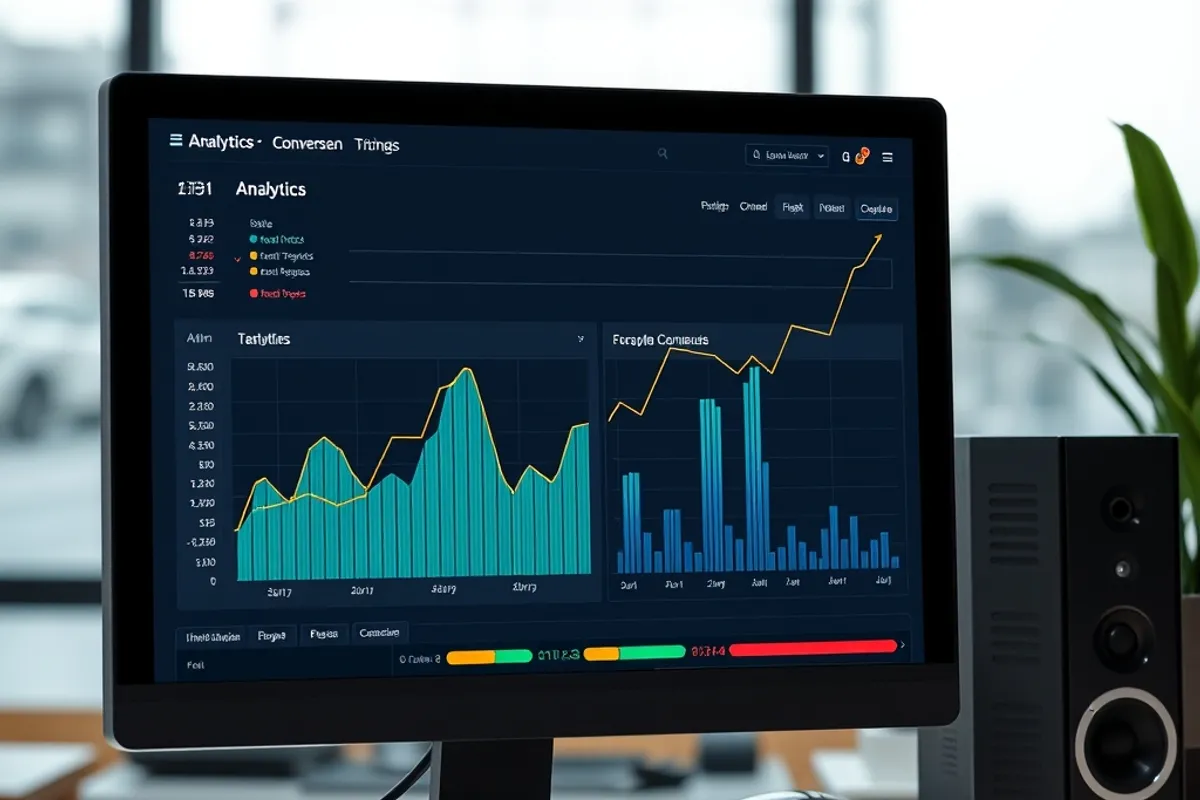
Sessions are a poor scoreboard when answers absorb the top of the funnel. Track engaged sessions, newsletter sign-ups, quote requests and assisted revenue. A page with 40 percent fewer visits but twice the conversion rate may be the better asset.
Segment branded and non-branded traffic, and separate queries where an AI overview appears from those where it does not. That comparison shows where the damage is real and where it is a story people tell at conferences.
Prune before you publish more
Most sites have a long tail of thin pages that attract a handful of visits and dilute the whole. Merge overlapping articles, redirect retired URLs and remove content that no longer matches the business. A smaller, stronger library is easier to maintain and easier to trust.
Set a review cycle. Every quarter, list the pages with declining clicks and decide whether to update, merge or remove them. The decision matters more than the tool you use to find them.
The bottom line
AI answers raise the bar for informational content. They do not remove the value of evidence, experience and a clear next step. Build pages that answer the question and then help the reader do something with the answer.
More acquisition coverage is on the Digital Marketing desk. For the technical side of page speed, read the web development section.