For most of the last three years, using a large language model meant sending a request to a data centre and waiting. In 2026 a quieter change is under way: smaller models are running on hardware in the same building as the people who use them. The pitch is simple. Lower latency, predictable cost and data that never leaves the office.
The reality is more interesting. Edge AI works, but it works best for a narrow set of tasks and only when someone owns the machine afterwards. Teams that treat it as a plug-in appliance tend to be disappointed within a quarter.
What edge AI actually changes
Edge inference moves the model closer to the work. A document classifier, a meeting transcriber or an internal search assistant can answer in tens of milliseconds instead of hundreds. For a single request the difference is small. Across a support desk handling thousands of lookups a day, it changes how the tool feels.
The second change is cost structure. Cloud inference is a variable bill that grows with use. Local inference is a capital purchase with a fixed capacity. That is attractive for a team with steady, predictable demand and less attractive for one with spiky workloads.
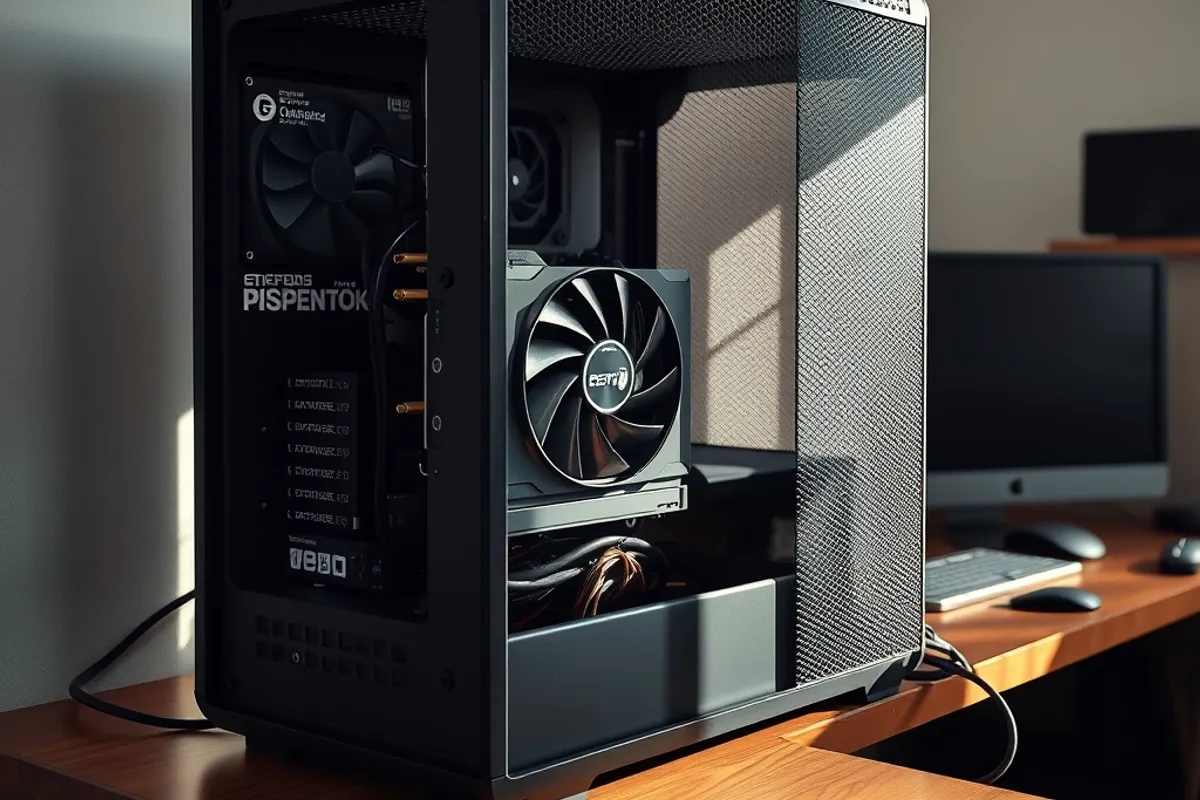
The hardware bill nobody budgets for
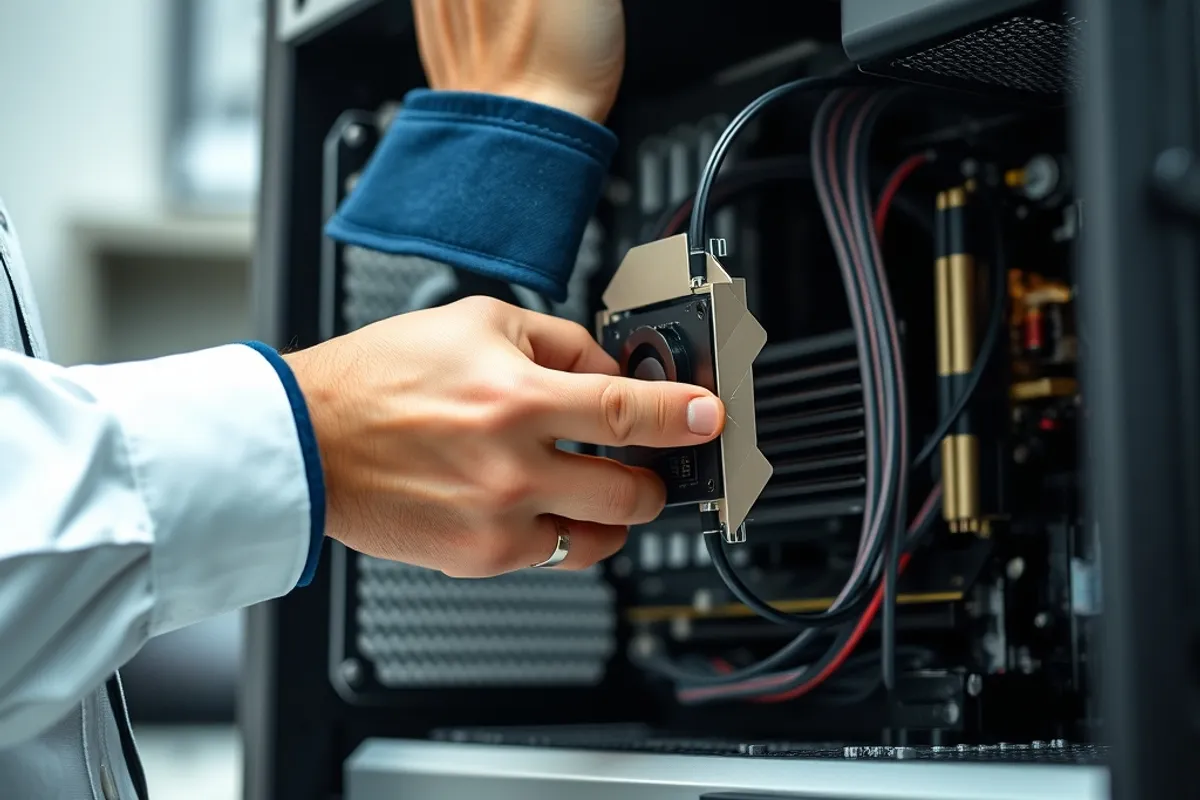
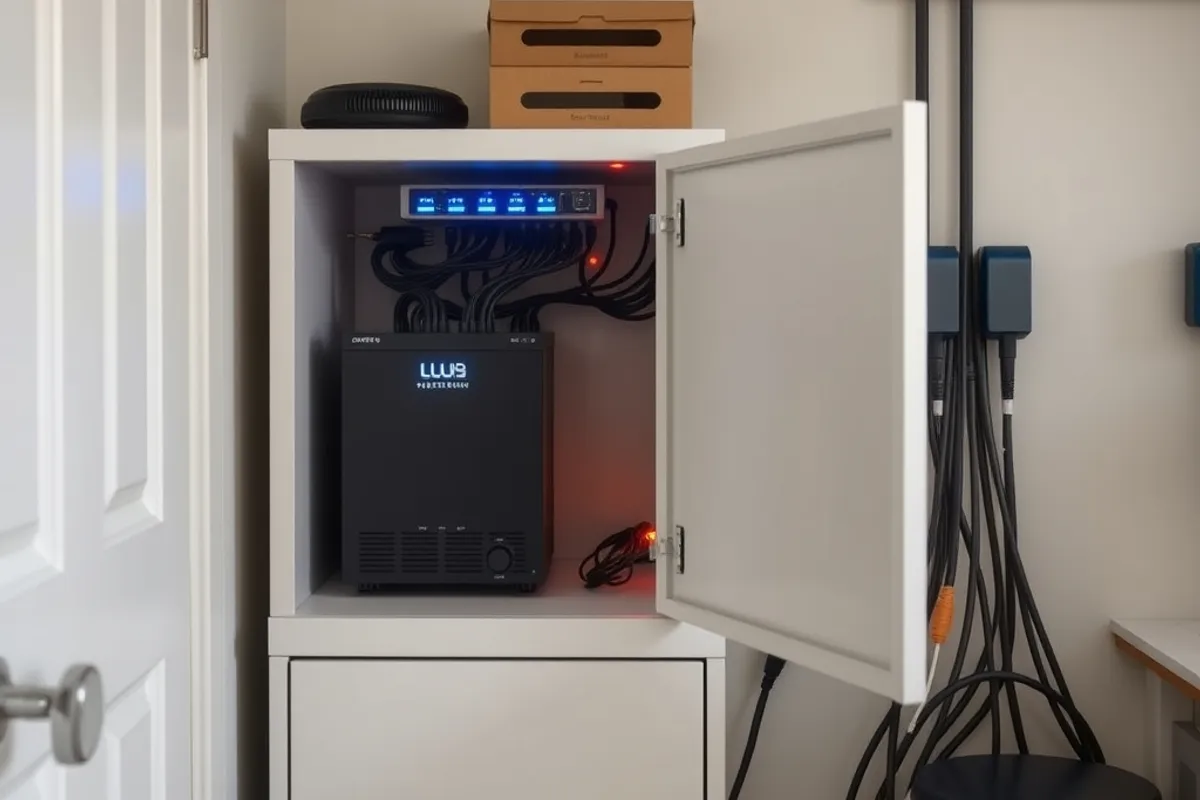
A workstation with a modern accelerator and 64GB of memory can host a small quantised model comfortably. Budget roughly $3,000 to $6,000 for the machine, then add the things that do not appear in the spec sheet: an uninterruptible power supply, better cooling, a spare drive and a second unit if the workflow becomes business-critical.
Power is the quiet cost. A machine drawing 400 to 700 watts under load adds meaningfully to an office electricity bill over three years, especially in a room that was not designed for continuous compute. Add the air conditioning needed to remove that heat and the total cost of ownership rises by 30 to 60 percent.
A model that runs in the office is not automatically private. Someone still has to decide what enters the prompt and where the logs go.
Privacy is a design decision, not a setting
Local inference keeps prompts on your network, which is a genuine advantage for legal, health and HR material. It does not make the system private by default. Prompts are still written to logs, retrieved documents still sit in a vector store, and staff still paste customer data into a chat box.
The workable pattern is to classify data before it reaches the model. A three-tier policy is enough for most small firms: public material can be processed freely, internal material can be processed with logging on, and regulated material stays out of the assistant entirely unless a named person approves the use case.
Key facts
- Edge AI means inference on local hardware rather than a remote cloud region.
- A small quantised model can run on a workstation costing roughly $3,000 to $6,000.
- Power and cooling usually add 30 to 60 percent to the hardware budget over three years.
- Local inference reduces latency but does not remove the need for logging policy.
- Someone must own updates, backups and model replacement.
Where small teams should start
Start with a task where a wrong answer is cheap and a slow answer is expensive. Internal search over approved documents is a good first project. Meeting notes are a reasonable second. Customer-facing advice, pricing and anything that touches a contract are poor places to begin.
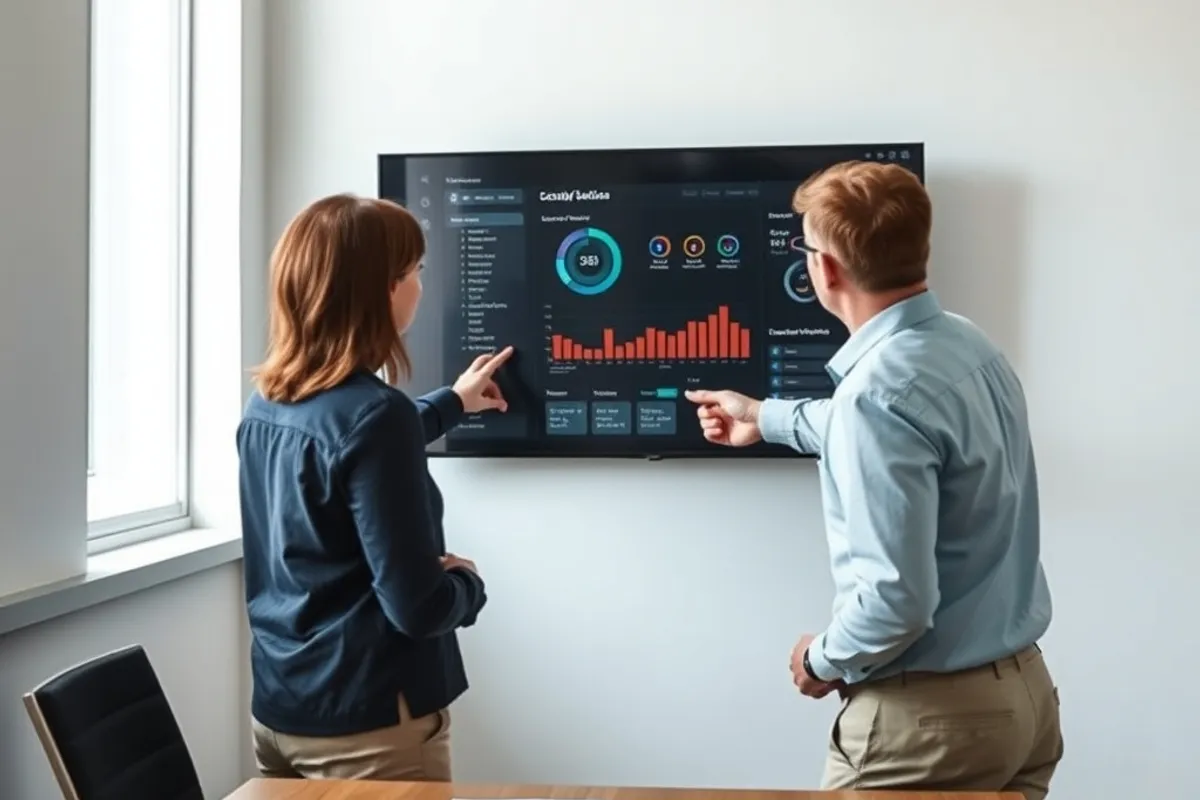
Measure three things before and after: time to answer, the share of answers a human had to correct, and the number of requests per day. If the first two do not improve, the local model is not earning its rack space, however impressive the demo felt.
The support problem
Hardware needs an owner. Someone has to apply driver and firmware updates, watch disk health, rotate logs and replace the model when a better one arrives. In a 20-person company that person is usually the same IT generalist who already handles laptops, phones and the finance system.
That is not a reason to avoid edge AI. It is a reason to write the runbook before the purchase order. A one-page document covering updates, backups, access, escalation and the rollback plan prevents most of the failures we see.
The bottom line
Edge AI is a useful addition to a mixed stack, not a replacement for cloud services. It suits predictable, privacy-sensitive workloads and teams with the operational maturity to keep a server alive. Everyone else should rent capacity until the demand is steady enough to justify owning it.
Our Technology & IT desk follows the infrastructure behind these tools. The web development section covers the front-end side of the same shift.