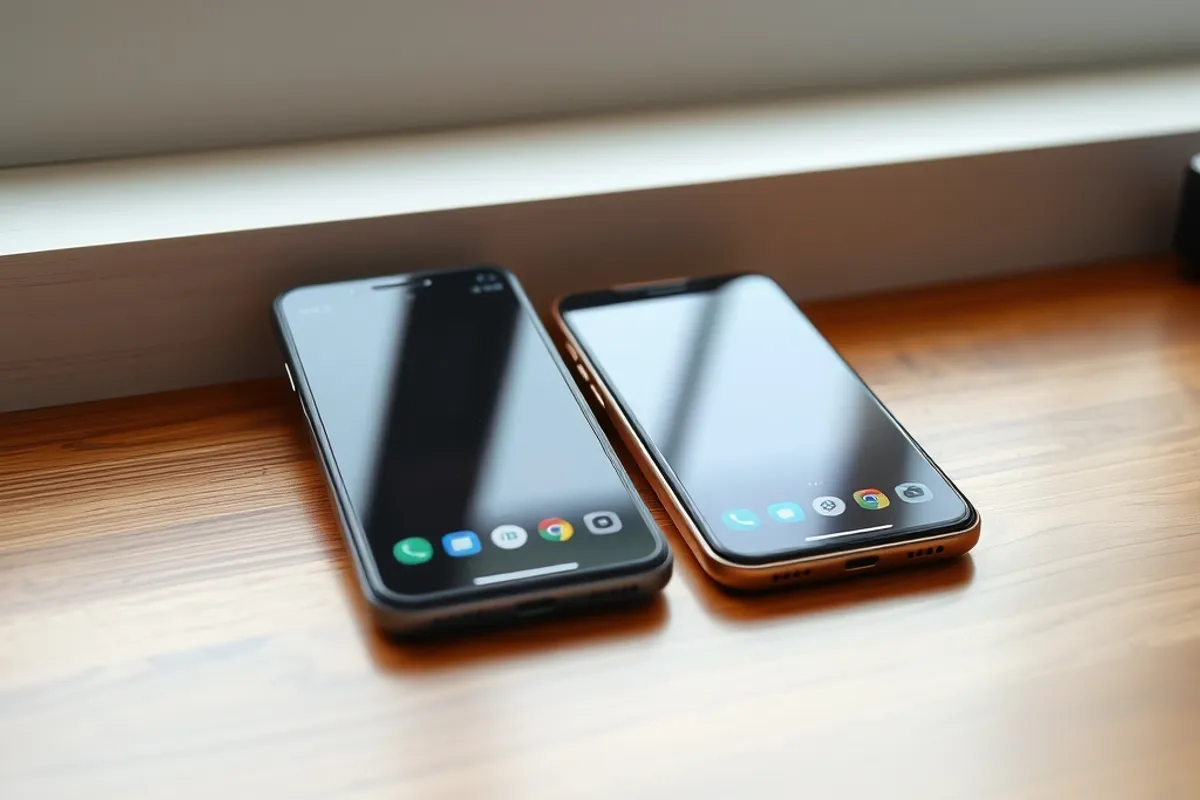
Every autumn brings a new set of flagship phones and a familiar argument: this year the camera is bigger, the chip is faster and the screen is brighter. None of that answers the only question that matters to a buyer: will this device be meaningfully better than the one already in my pocket?
The answer usually depends on three things that rarely lead the launch presentation. Battery health, software support and repair cost decide how long a phone stays useful. Everything else is a preference.
Measure the phone you already own
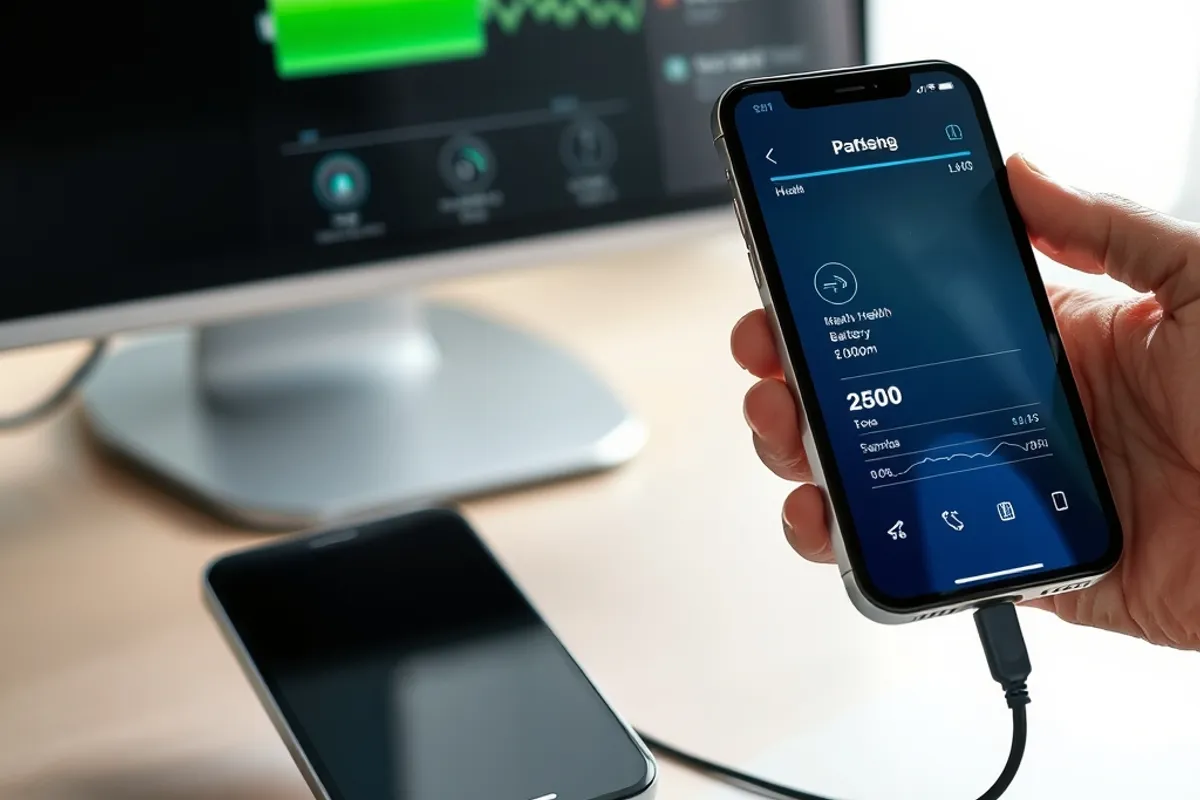
Start with battery health, which most phones report in settings. Below 80 percent, a device that once lasted a full day starts asking for a charger by mid-afternoon. A battery replacement is often a fraction of a new handset and can add two years of comfortable use.
Then check storage. If the phone is permanently at 90 percent capacity, the operating system has less room for updates and caches, and performance suffers. Clearing old media is free; buying a phone to solve a storage problem is an expensive way to delete photos.
Compare the support window, not the chip
A flagship bought in 2026 should receive operating system updates for at least five years and security patches for longer. That promise is worth more than a benchmark gap you will not notice in a messaging app. Check the manufacturer's published policy, not the retailer's summary.
If your current phone is still inside its support window and runs the apps you need, the case for upgrading weakens considerably. The new device may be faster, but the old one is not yet a security risk.
The most expensive phone is the one you replace every eighteen months because the battery died and the updates stopped.
The camera question
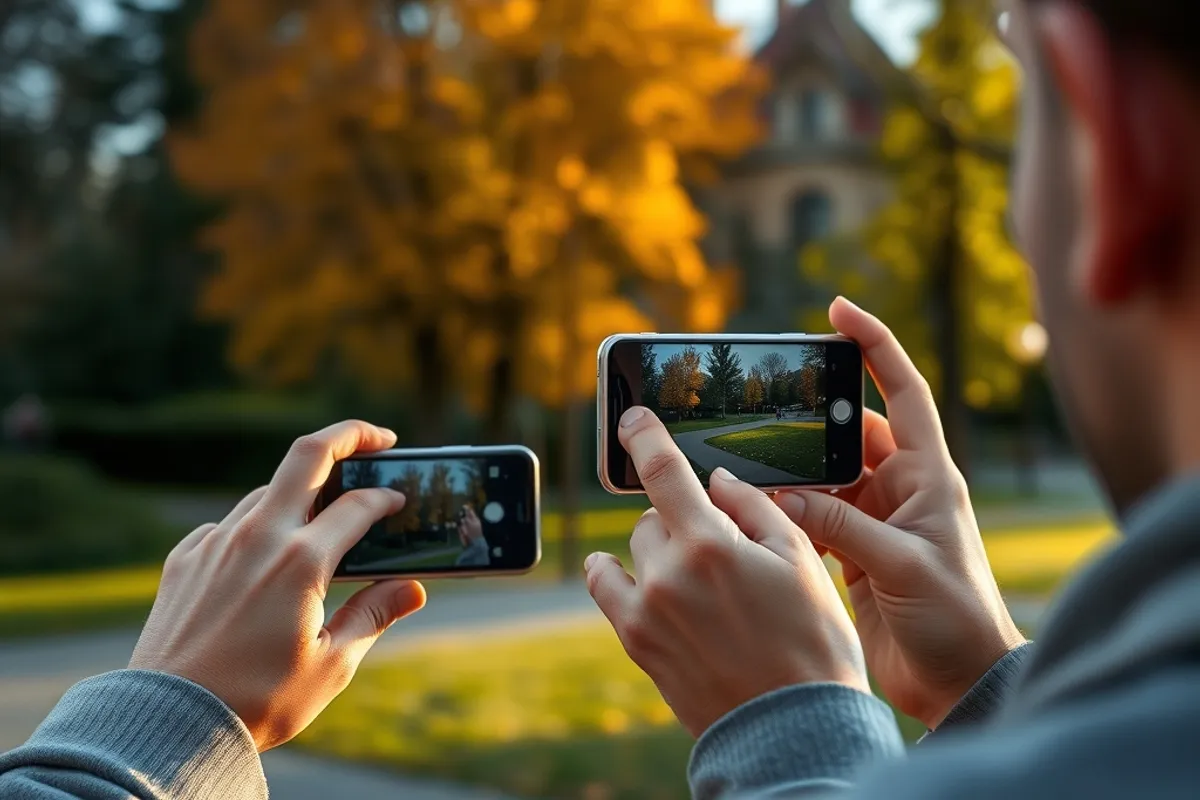
Camera hardware has improved, especially in low light and video stabilisation. Whether that matters depends on what you shoot. A larger sensor helps a concert photo; it does nothing for a screenshot of a train ticket. Compare sample images from the same scenes rather than the specification table.
One genuine advance is the shift toward longer software support for computational features. A phone that continues to receive image processing updates in year four is more valuable than one with a slightly better lens and a shorter support life.
Key facts
- A battery below 80 percent health changes daily use more than a new chip.
- Check the software support window before comparing cameras.
- Trade-in values drop fastest in the first 24 months.
- Repair costs for screens and backs vary widely by model.
- Most 2023 flagships still handle everyday tasks comfortably.
Do the trade-in arithmetic
Write down four numbers: the trade-in value of your current phone, the price of the new one, the expected resale value in three years, and the cost of a battery replacement on the old device. The difference per year of use is the only comparison that survives contact with real life.
Trade-in values fall fastest in the first two years. That means upgrading early often costs the most per month, while holding a phone for four years and replacing the battery usually costs the least. The exception is a device that has lost security support entirely.
Repair matters more than ever
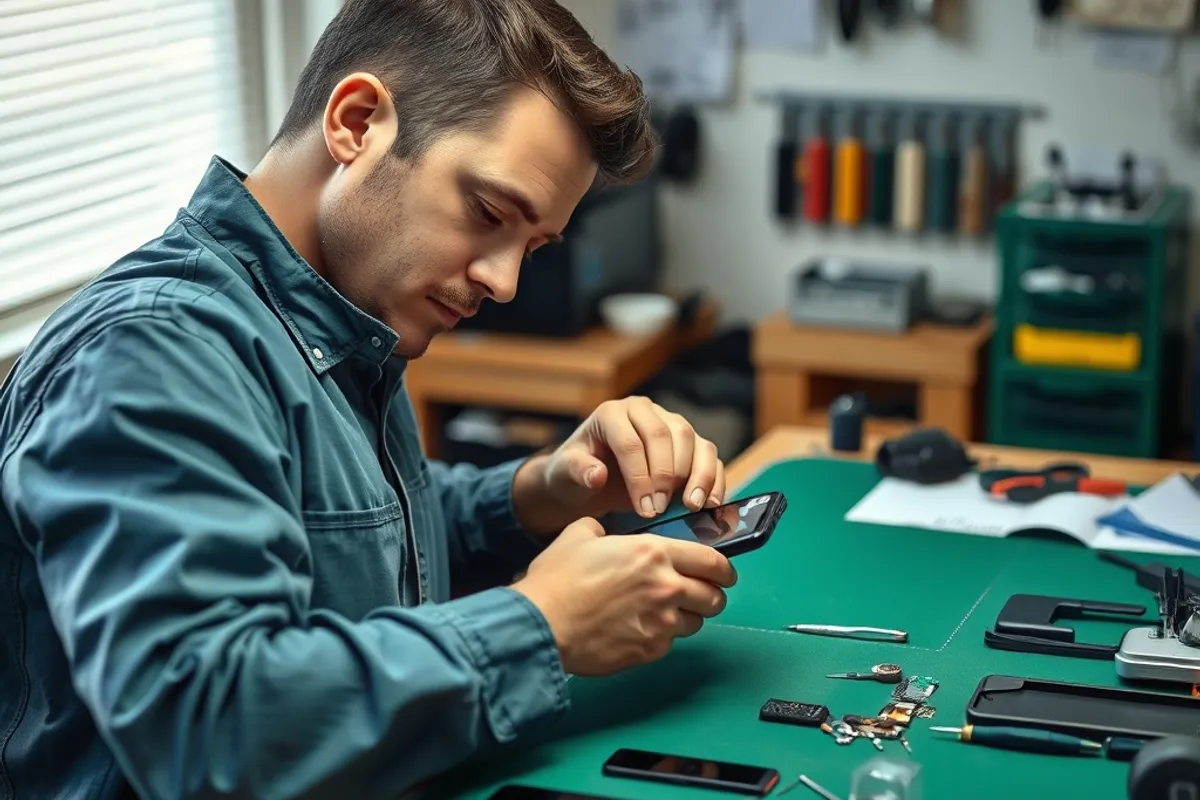
Check the price of a screen and back-glass repair before you buy. Some models cost almost half the purchase price to fix, which changes how carefully you treat them and how quickly a small accident becomes a replacement. Access to authorised parts also affects resale value.
If you keep phones for years, a case and a screen protector remain the cheapest insurance available. Neither is exciting, and both protect the asset that the upgrade cycle depends on.
The bottom line
Buy a new flagship when the battery is tired, the support window is closing or the camera genuinely limits your work. Skip it when the only argument is a faster chip and a brighter screen. The calculator is less exciting than the keynote, and considerably more useful.
Our Gadget & Electronics desk tracks ownership costs across the year. The Technology & IT section covers the networks these devices depend on.